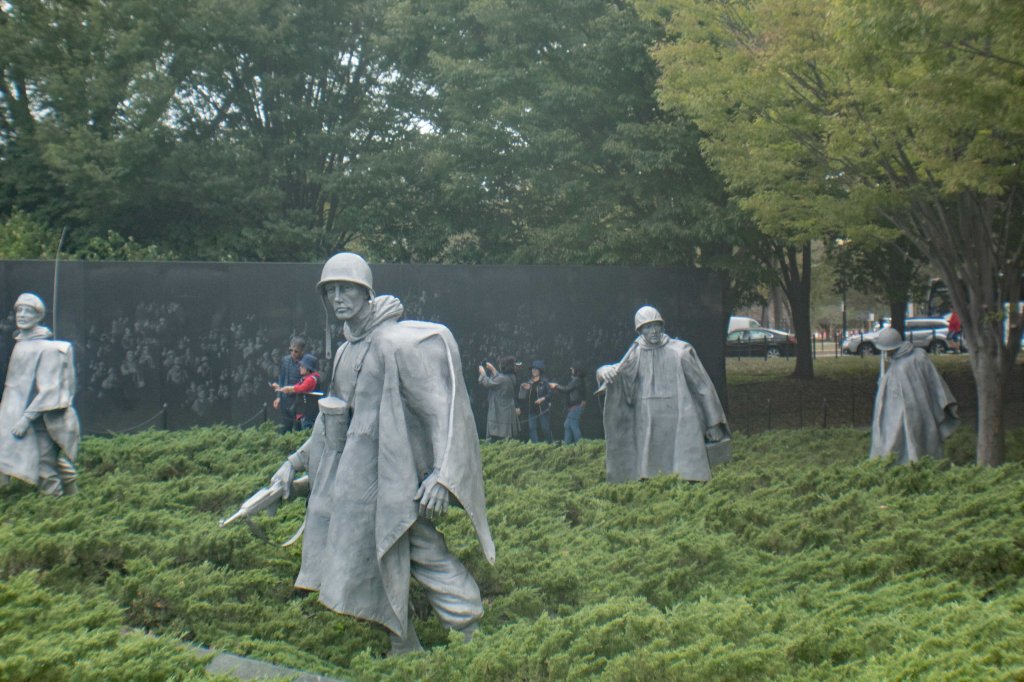
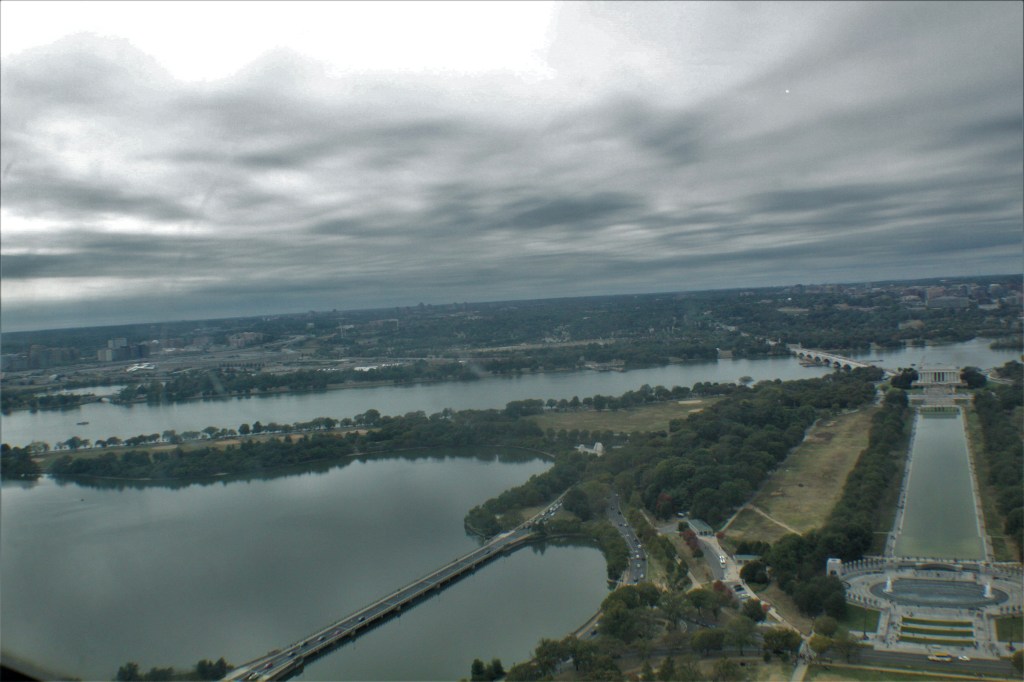
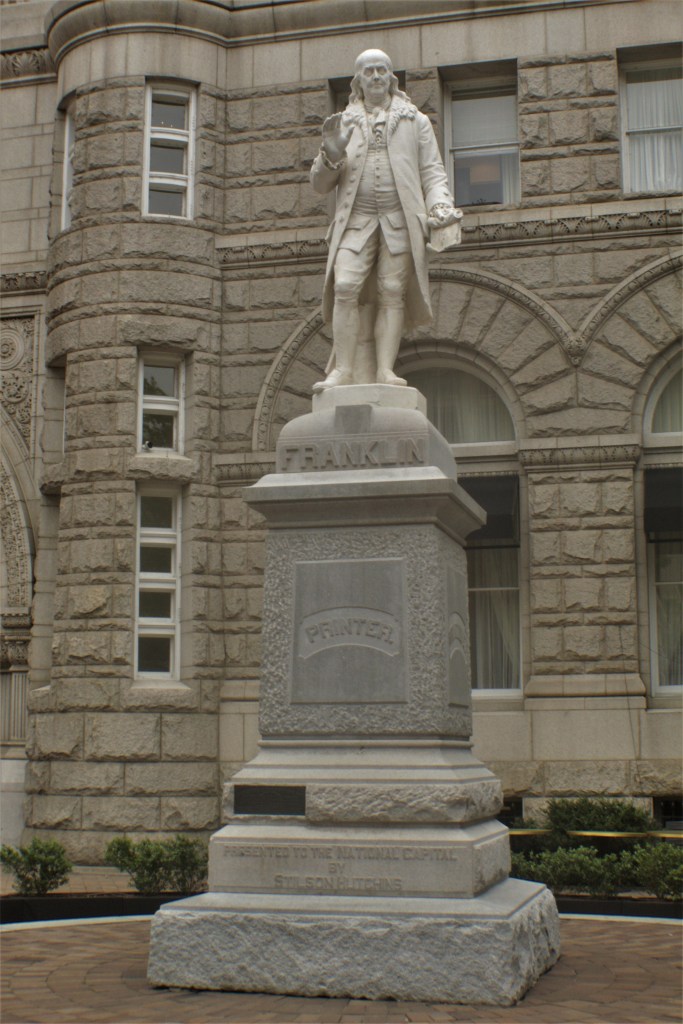
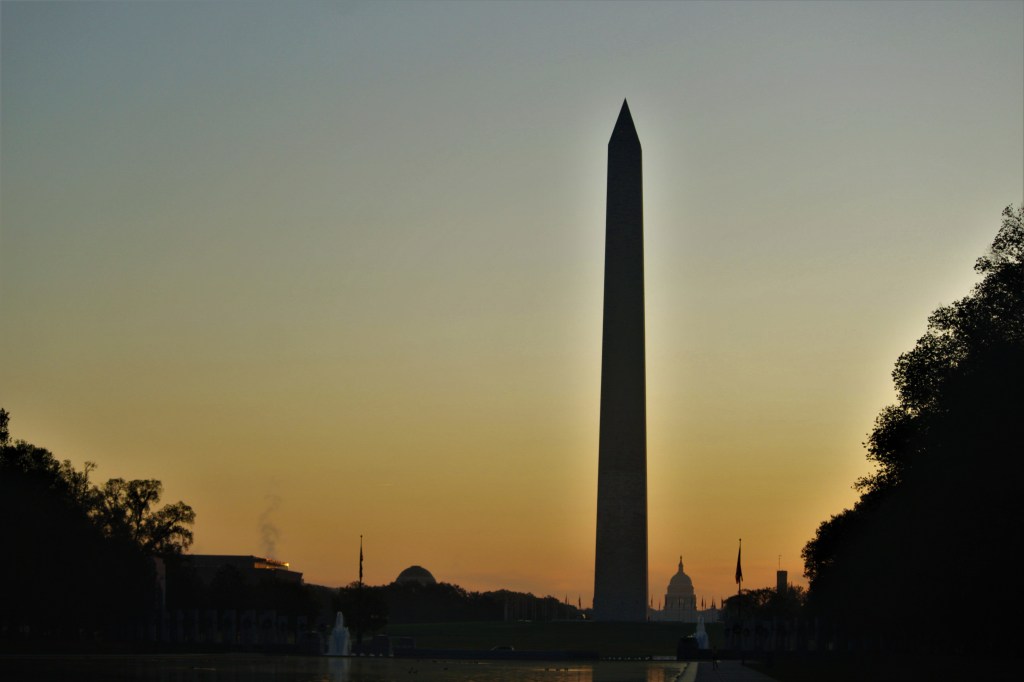
Korean MemorialKorean MemorialVietnam MemorialVietnam MemorialFrom top of Washington MemorialFrom top of Washington MemorialFrom top of Washington MemorialBen Franklin
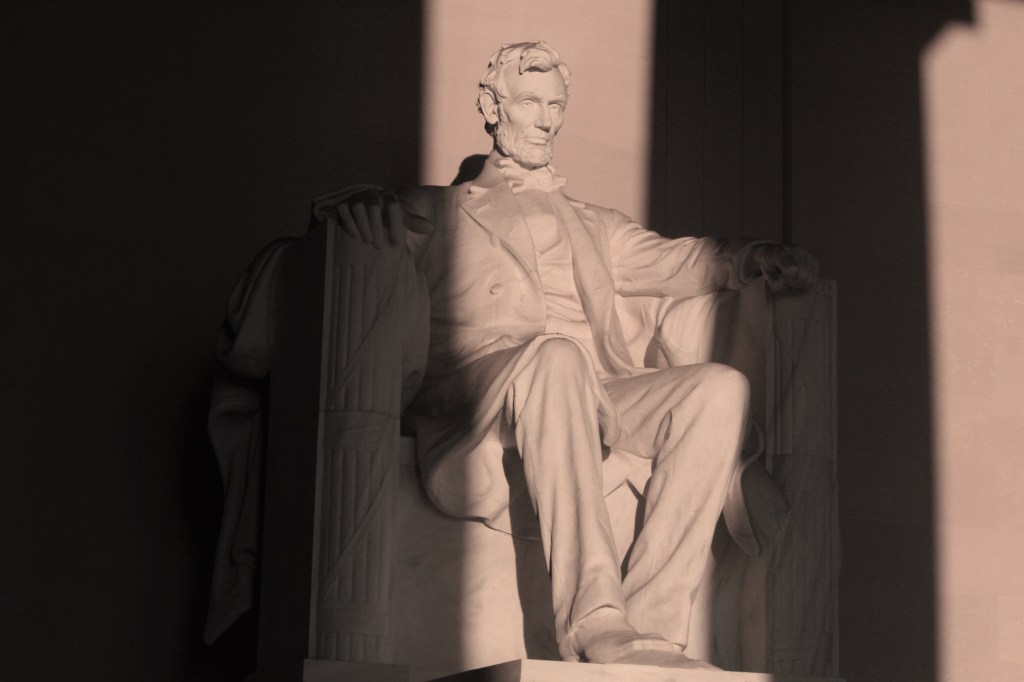
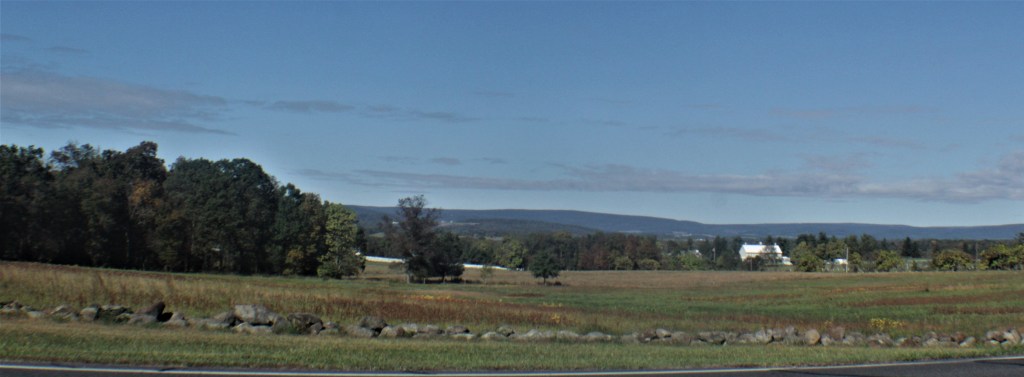
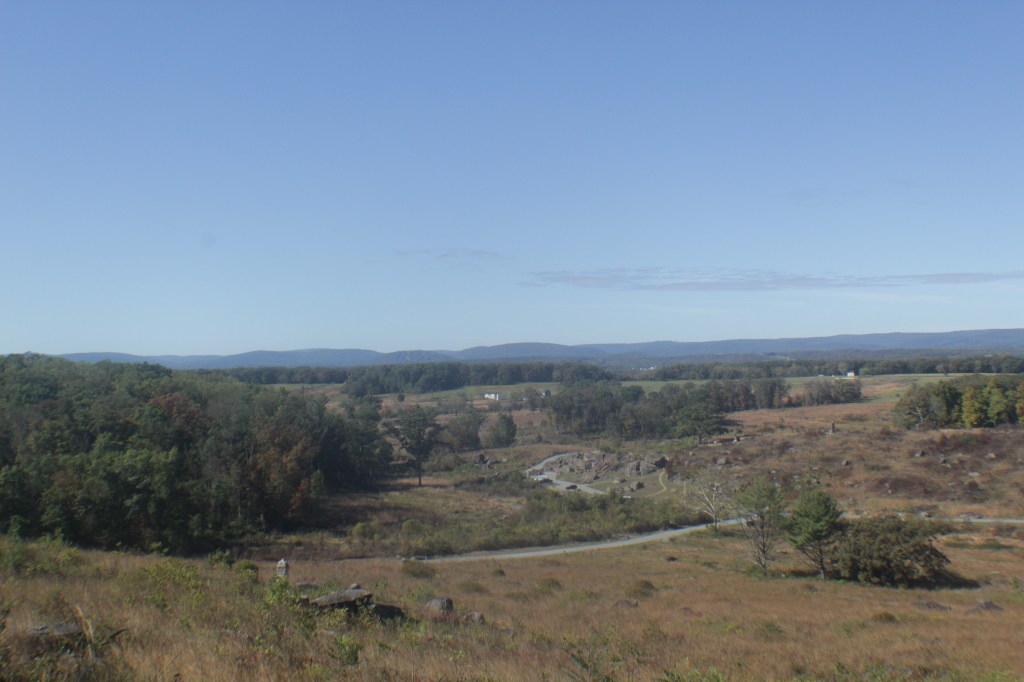
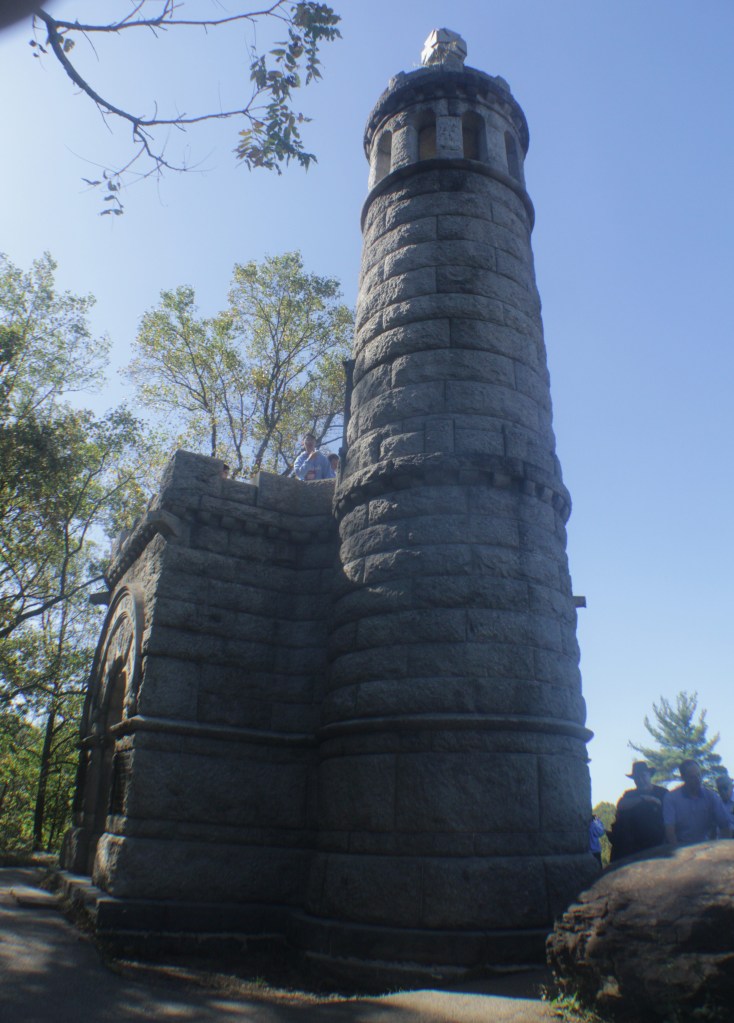
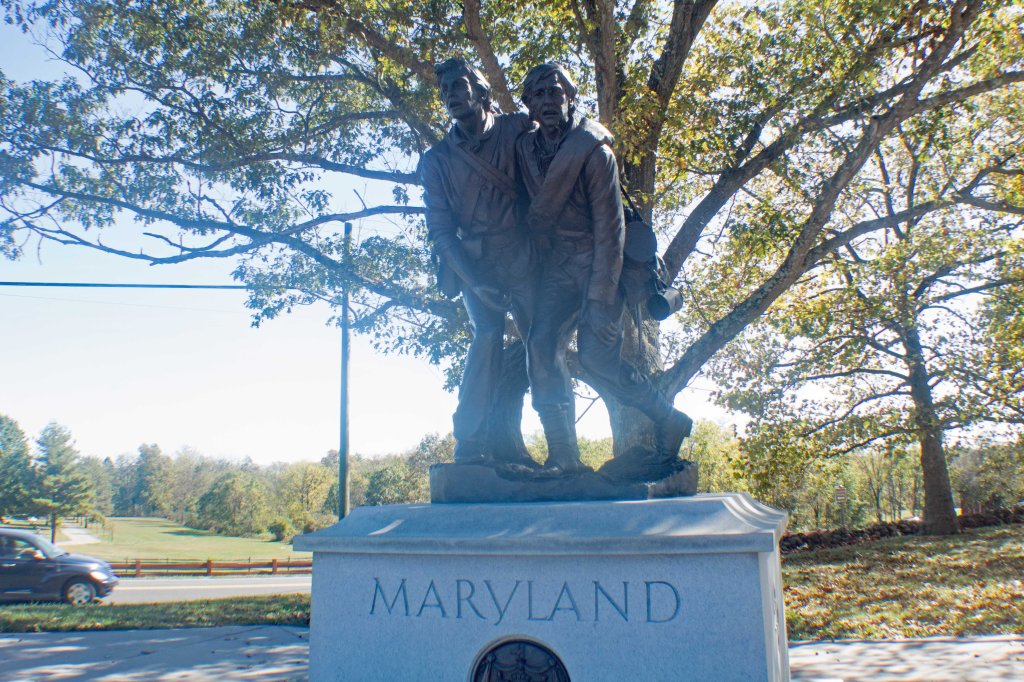
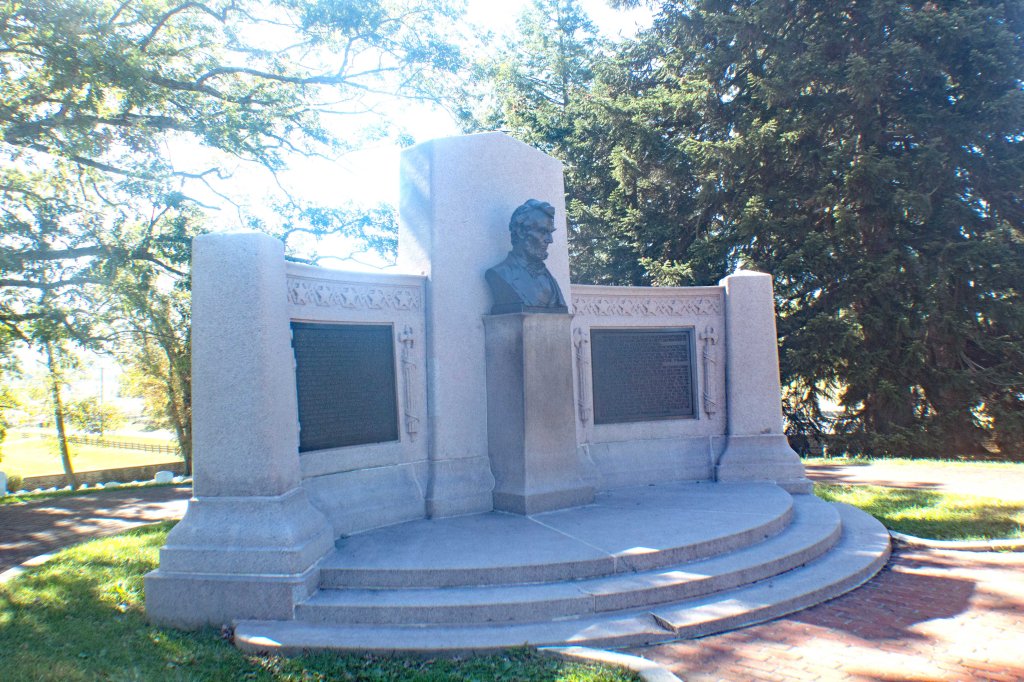
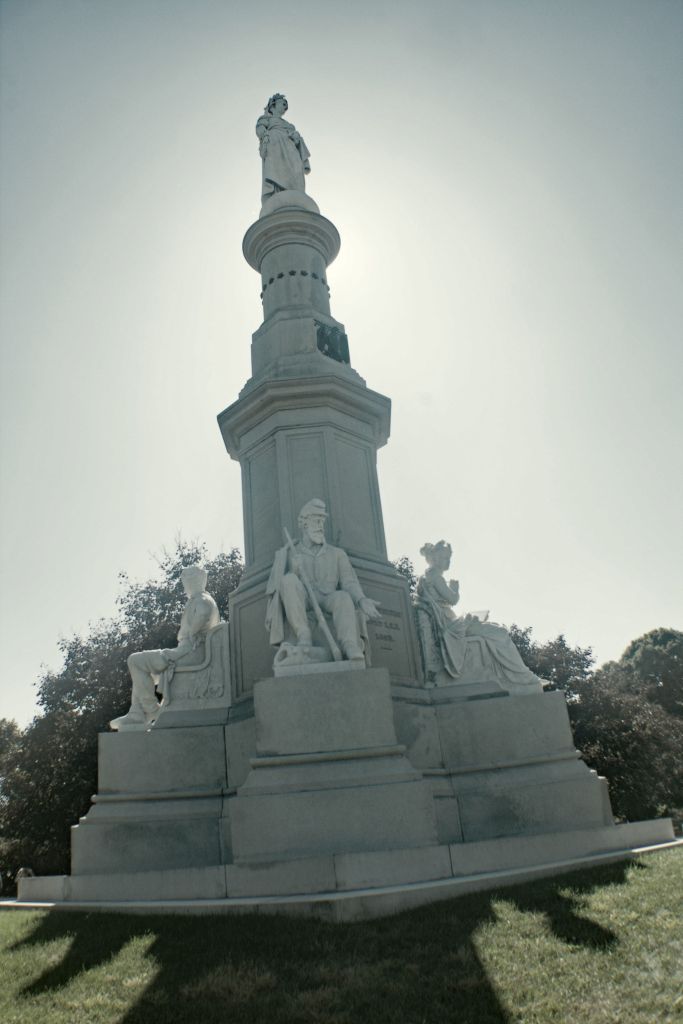
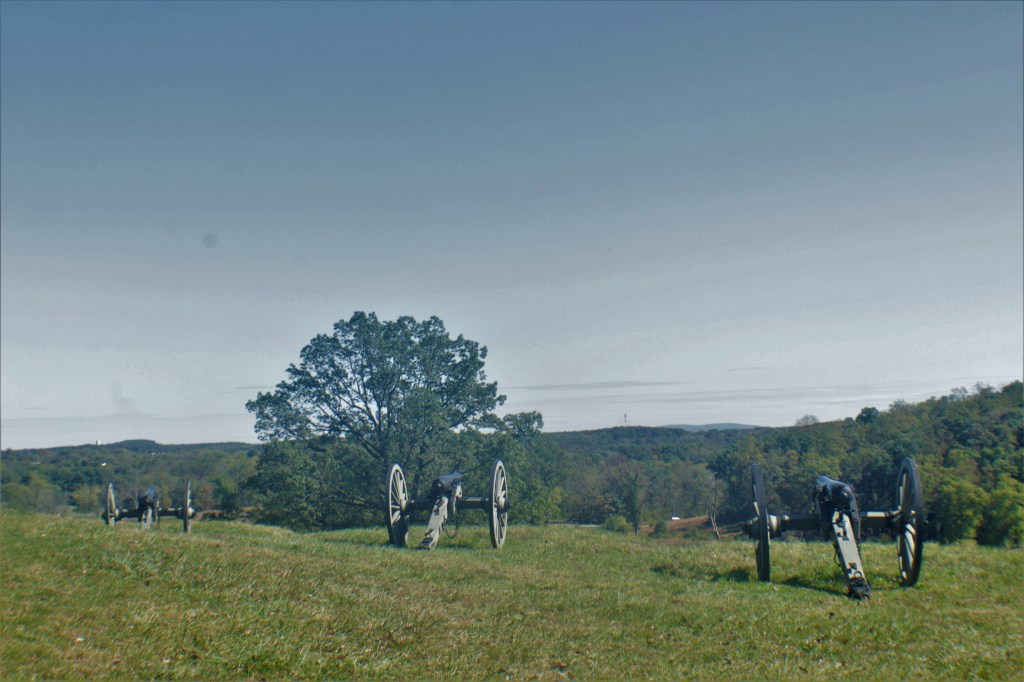
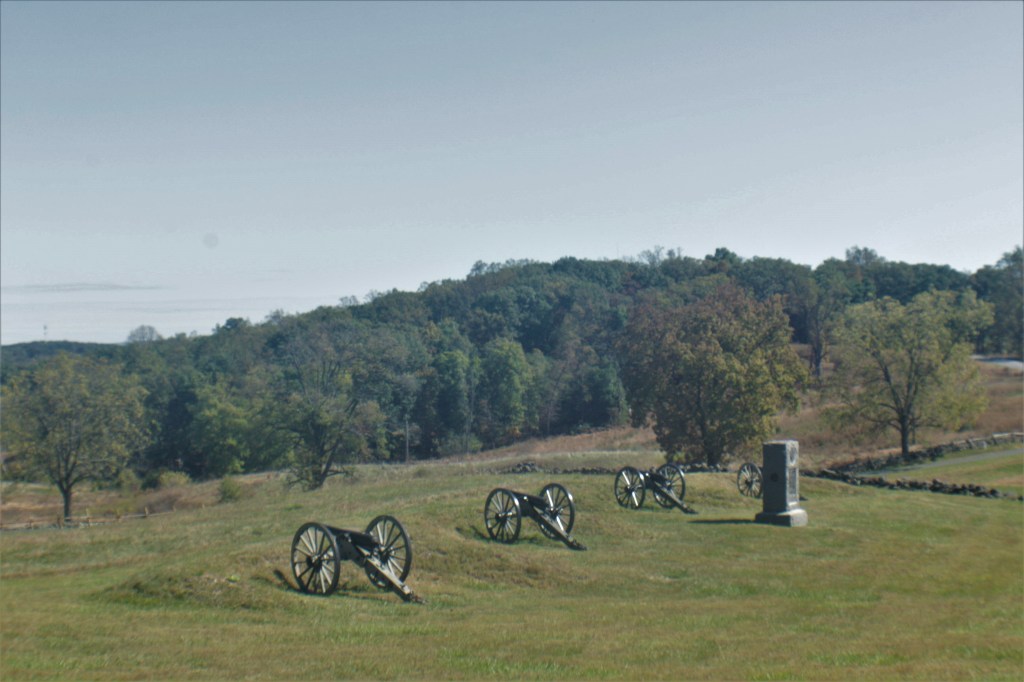
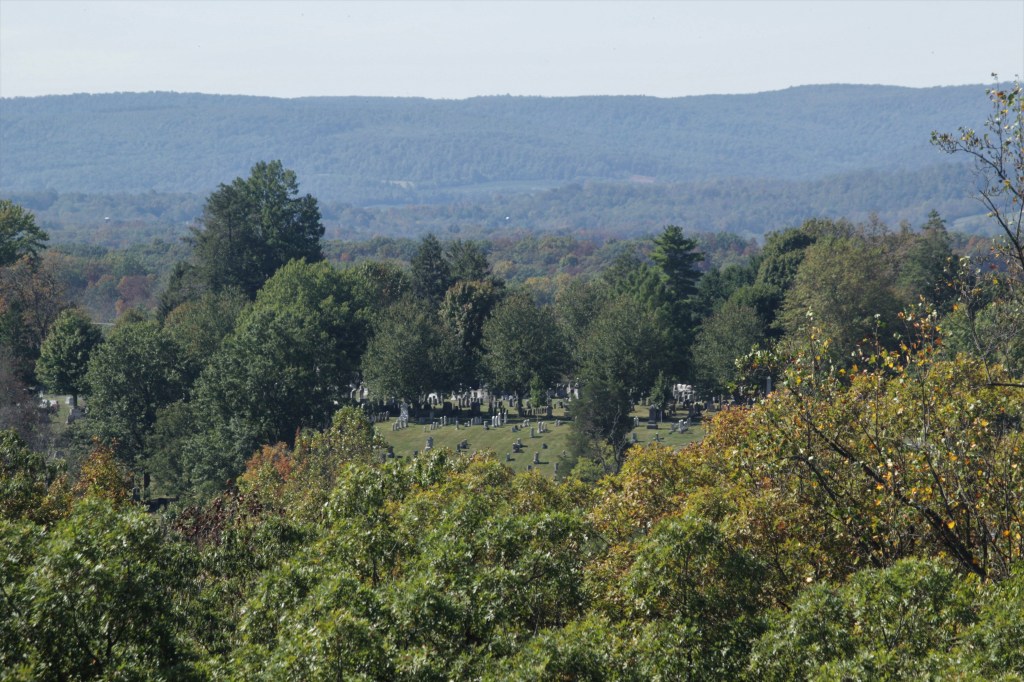
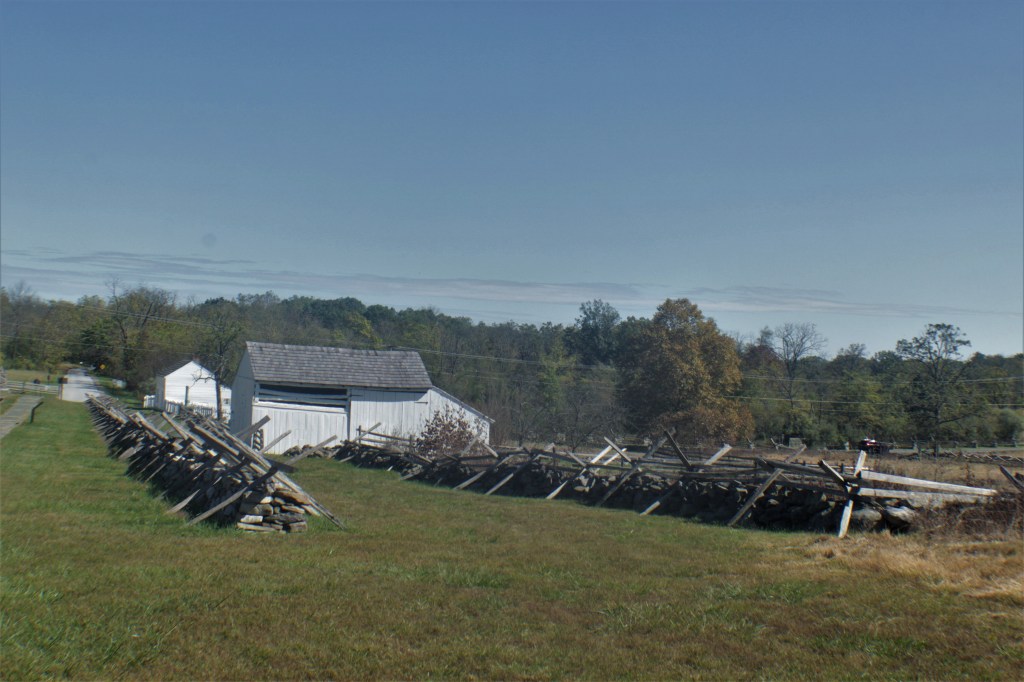
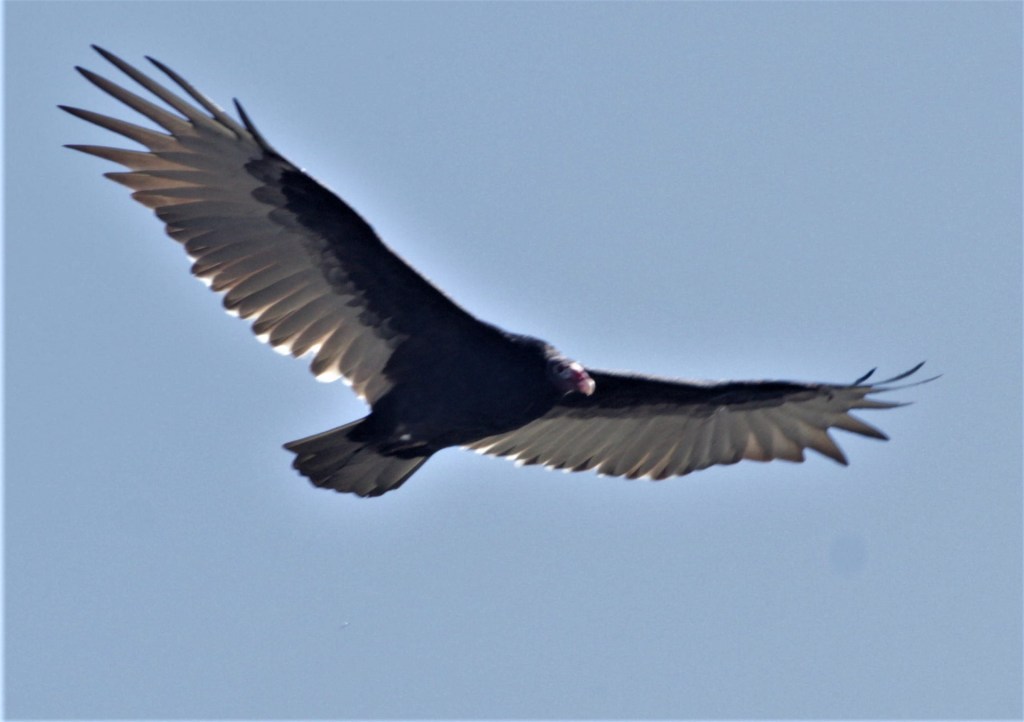
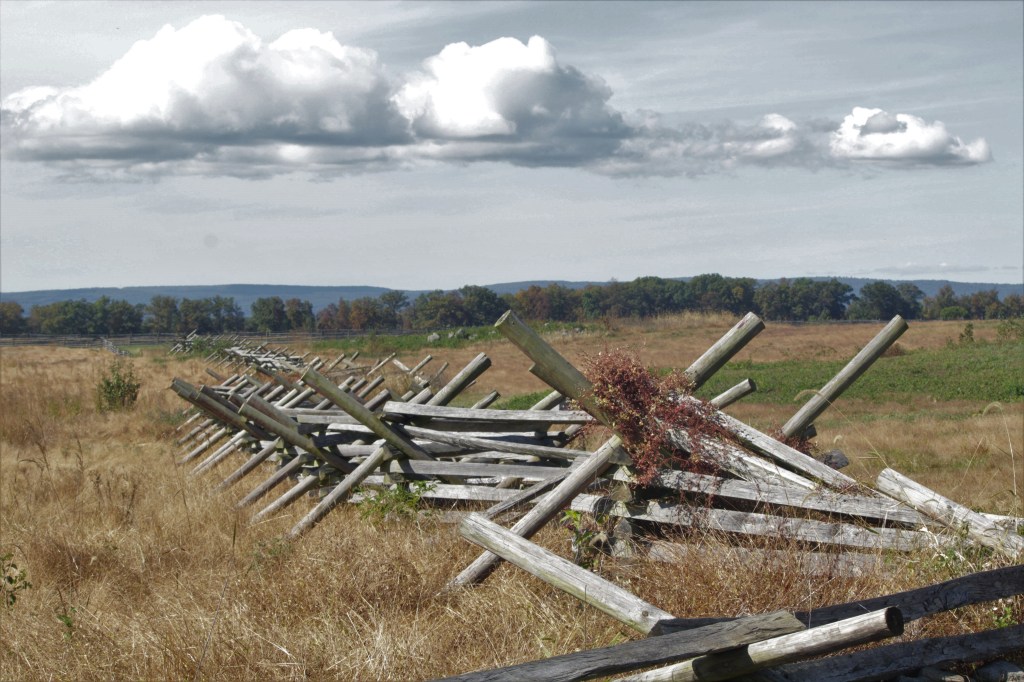
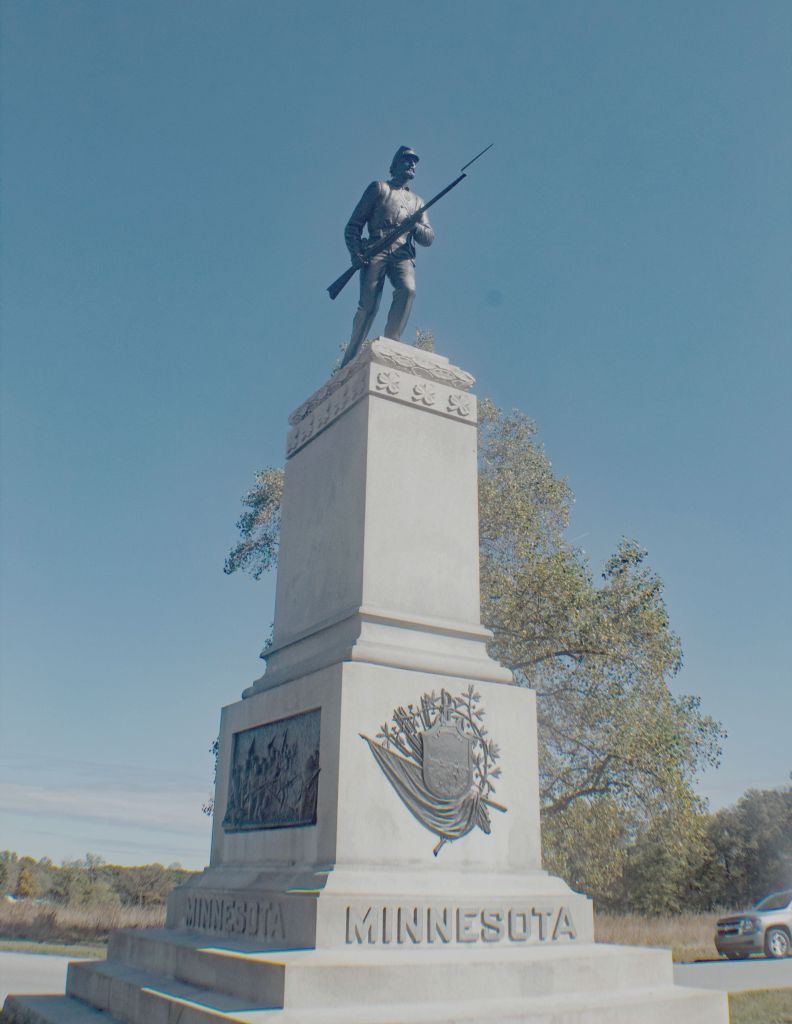
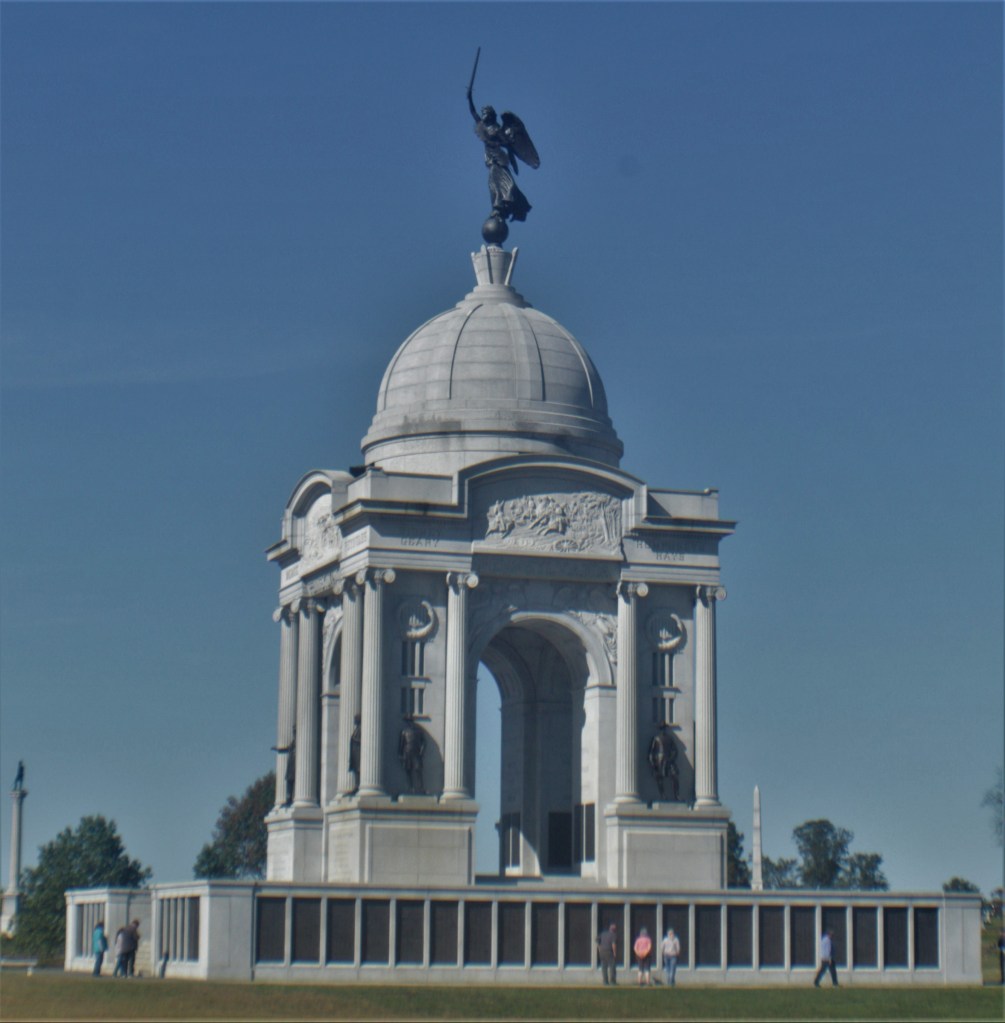
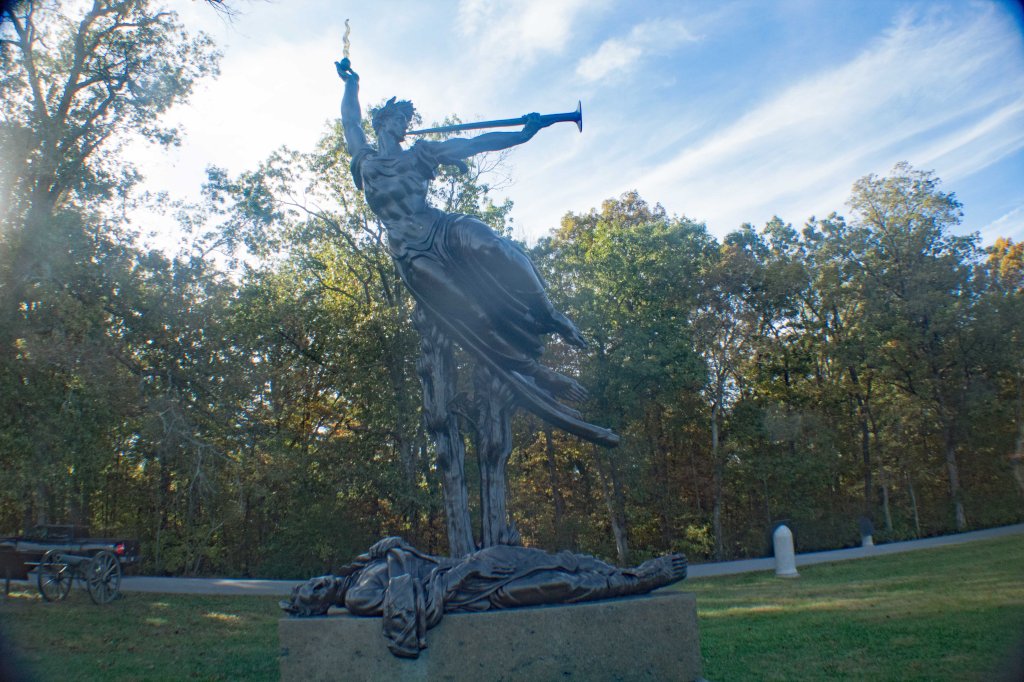
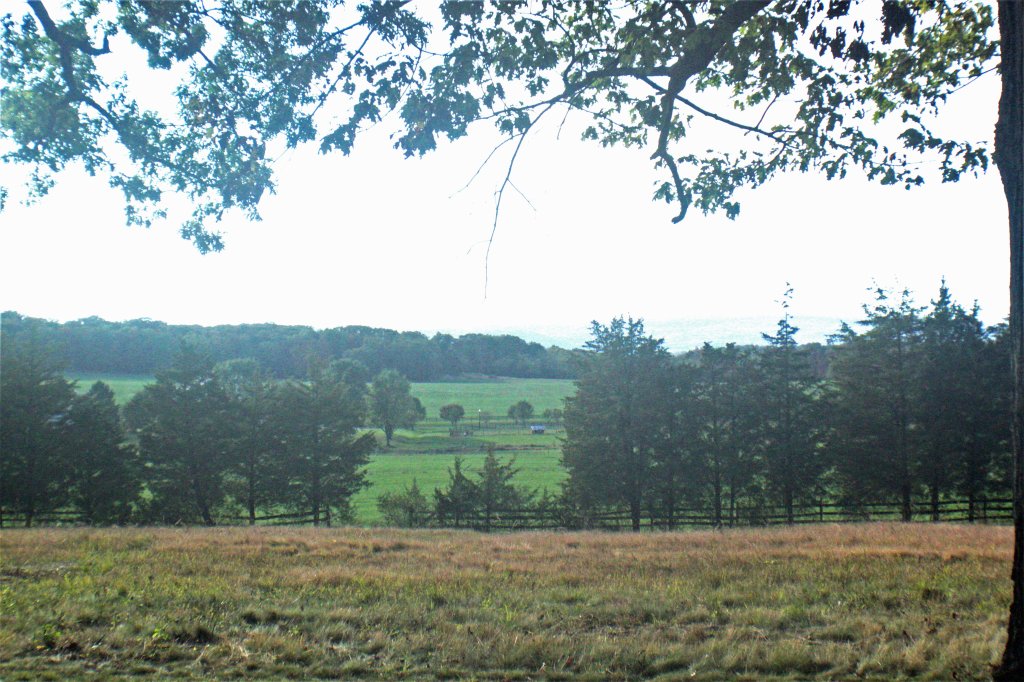
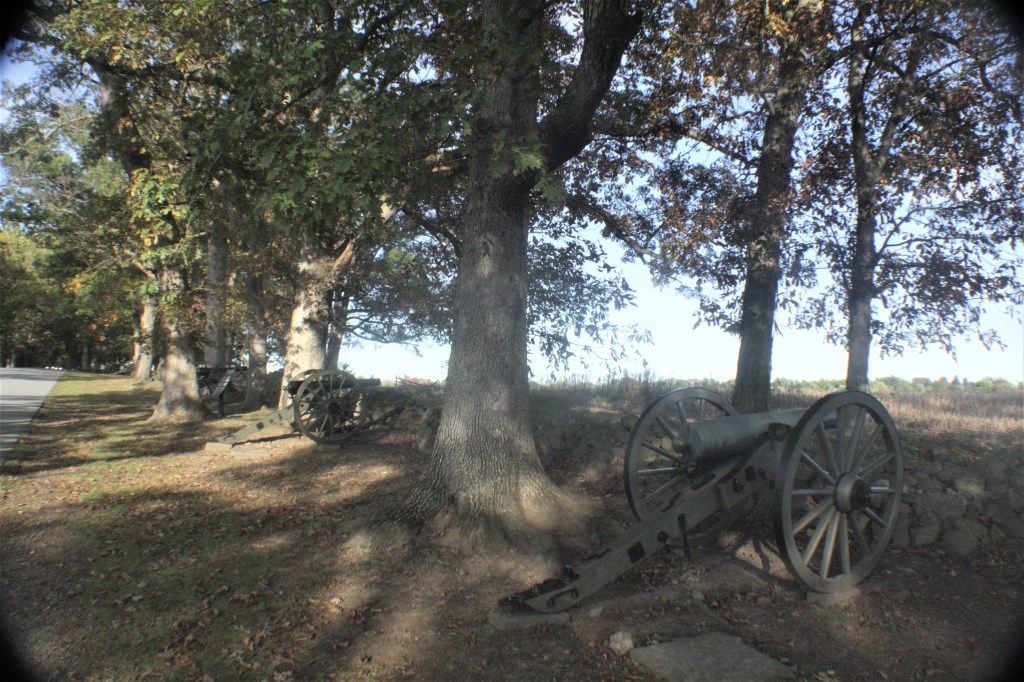
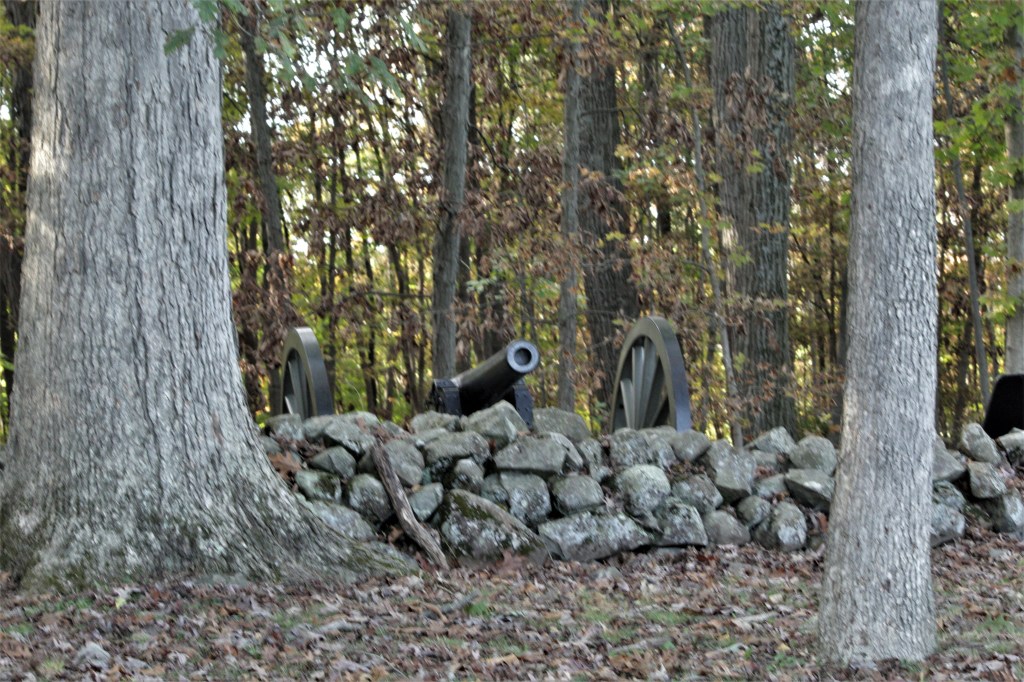
View from Little Round TopStone Wall seen from Little Round Top The memorial represents the 44th New York & (2) companies from the 12th New York Infantry Regiments & as is the case with most of the monuments the castle has a story to tell – the dimensions of the monument were purposely designed to reflect the numeric designations of the units it represents. The tower is 44 feet high & the interior chamber is 12 feet square. The monument is a bronze statue on a granite base. The statue is by Lawrence M. Ludke, and is of two wounded Marylanders, one Union and one Confederate, helping each other on the battlefield. It was dedicated on November 13, 1994. The back of the base of the monument has a bronze tablet listing the Maryland commands of both armies that fought at Gettysburg. Lincoln Memorial close to where he gave Gettysburg Address The Soldiers’ National Monument is a Gettysburg Battlefield memorial which is located at the central point of Gettysburg National Cemetery. It honors the battle’s soldiers and tells an allegory of “peace and plenty under freedom … following a heroic struggle.” In addition to an inscription with the last 4 lines of the Gettysburg Address, the shaft with 4 buttresses has 5 statues. Union cannonsUnion cannonsGettysburg National CemetaryGeorge Mead’s headquarters VultureSnakerail FenceMain Monument to 1st Minnesota The Pennsylvania State Memorial is a monument in Gettysburg National Military Park that commemorates the 34,530 Pennsylvania soldiers who fought in the July 1 to 3, 1863 Battle of Gettysburg during the American Civil War. The memorial stands along Cemetery Ridge, the Union battle line on July 2, 1863. Completed in 1914, it is the largest of the state monuments on the Gettysburg Battlefield. Smaller monument to the 1st Minnesota showing its position during Pickett’s Charge on July 3 Louisiana State Memorial along West Confederate Avenue on Seminary Ridge “Spirit of the Confederacy.” View from Seminary RidgeConfederate cannons from Seminary RidgeConfederate cannons from Seminary Ridge
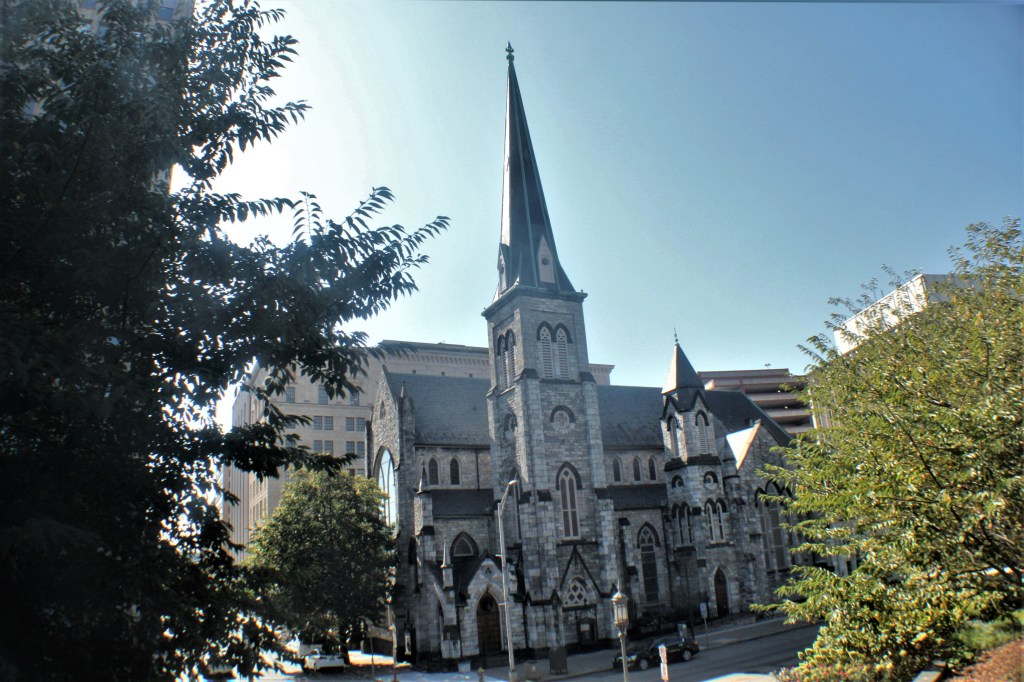
Pine Street Presbyterian Church- After having split from the Presbyterian Church of Harrisburg in 1858, the newly formed congregation, which built this church, first met in the Chambers of the Pennsylvania State Senate. Completed in 1860, the limestone-constructed Pine Street Presbyterian Church was designed in the English gothic style by Harrisburg architect Luther M. Simon and was a remembered part of the cityscape for Union soldiers encamped in Capitol Park across the street.
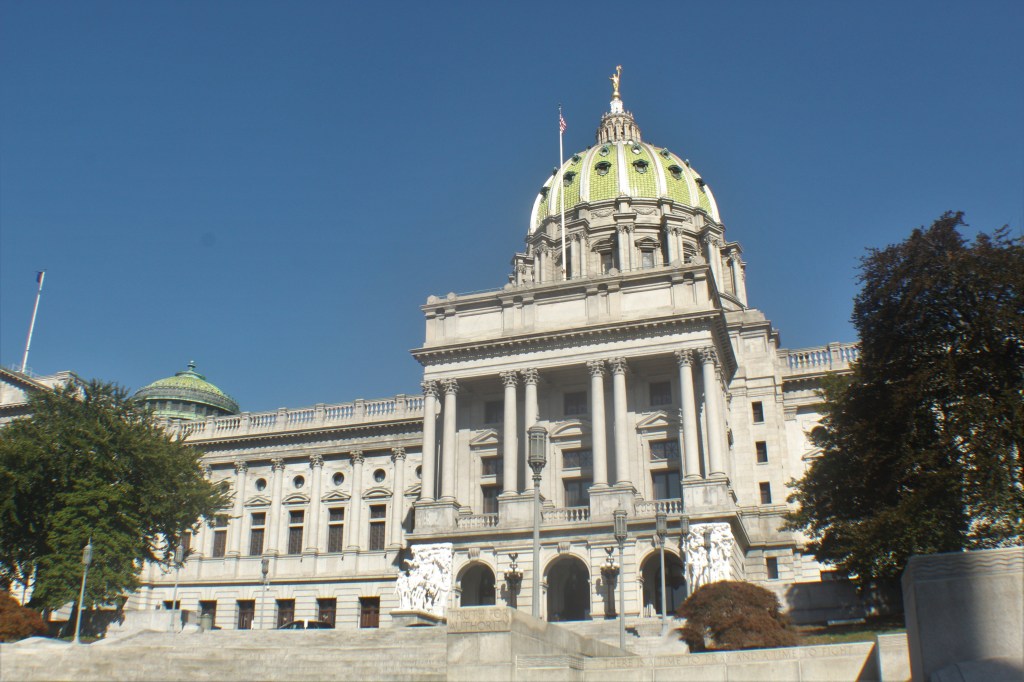
State capitol – The seat of government for the state was originally in Philadelphia, then was relocated to Lancaster in 1799 and finally to Harrisburg in 1812. The current capitol, known as the Huston Capitol, is the third state capitol building to be built in Harrisburg. The first, the Hills Capitol, was destroyed in 1897 by a fire and the second, the Cobb Capitol, was left unfinished when funding was discontinued in 1899. President Theodore Roosevelt attended the building’s dedication in 1906. After its completion, the capitol project was the subject of a graft scandal. The construction and subsequent furnishing cost three times more than the General Assembly had appropriated for the design and construction; architect, Joseph Huston and four others were convicted of graft for price gouging. State Street, Harrisburg – The number of deaths on State Street in Harrisburg makes it the deadliest stretch of road in the nation, according to national traffic safety experts.
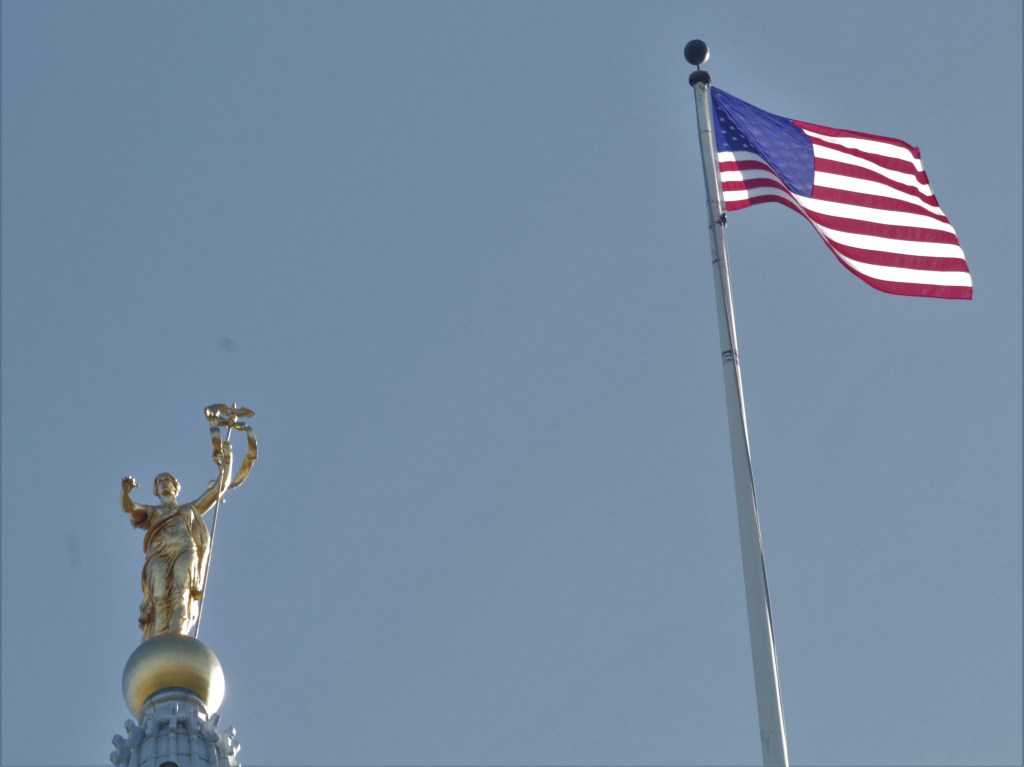
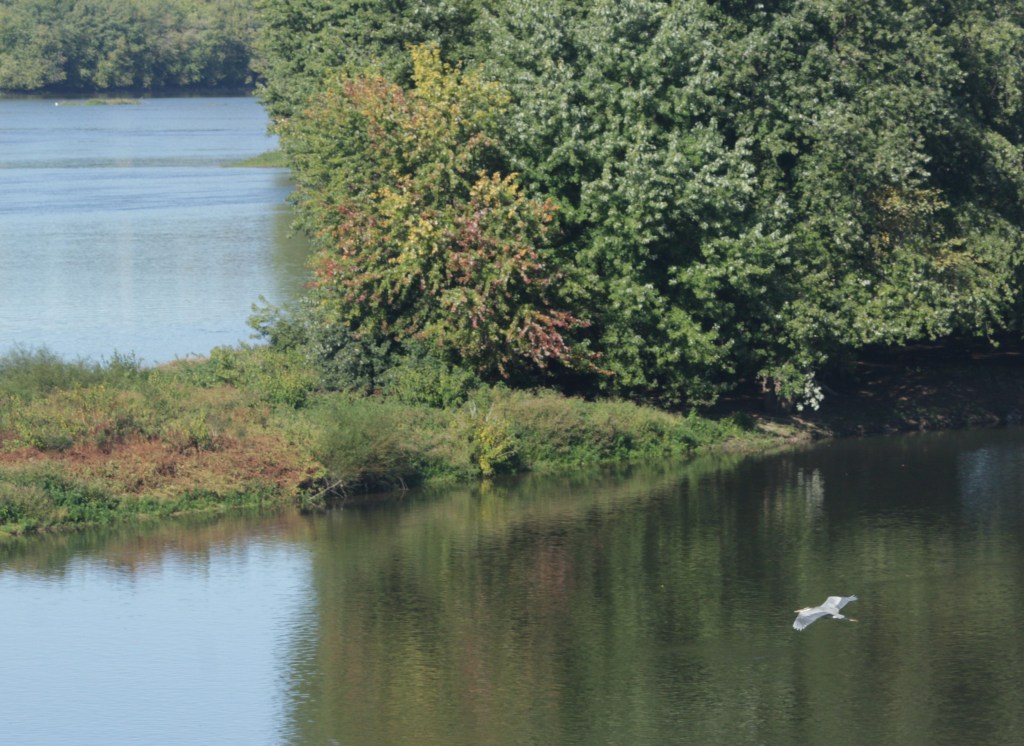
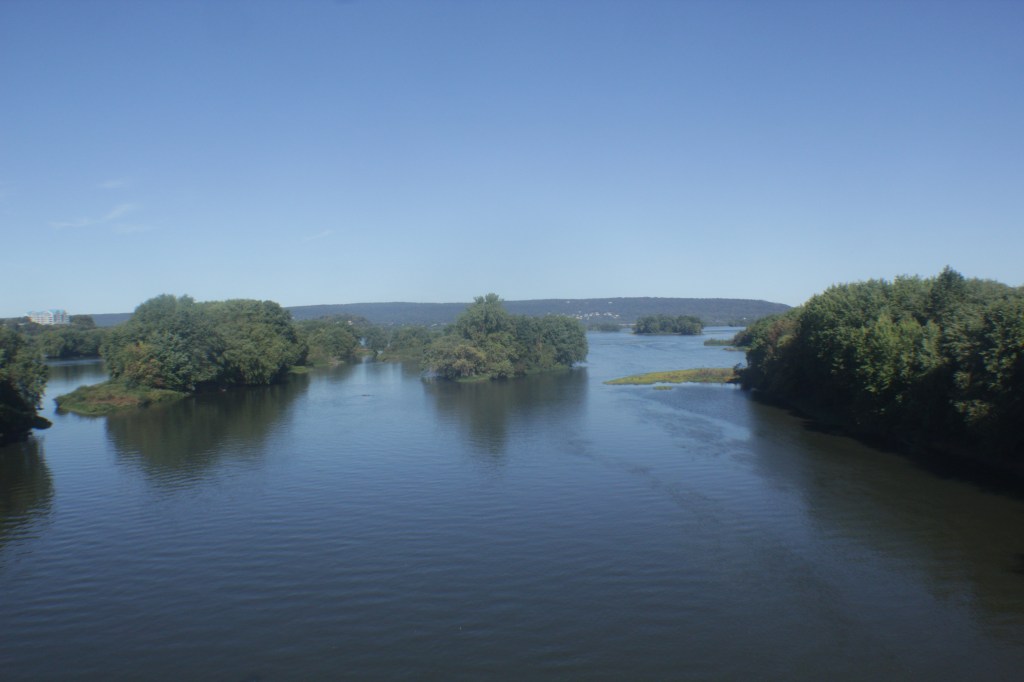
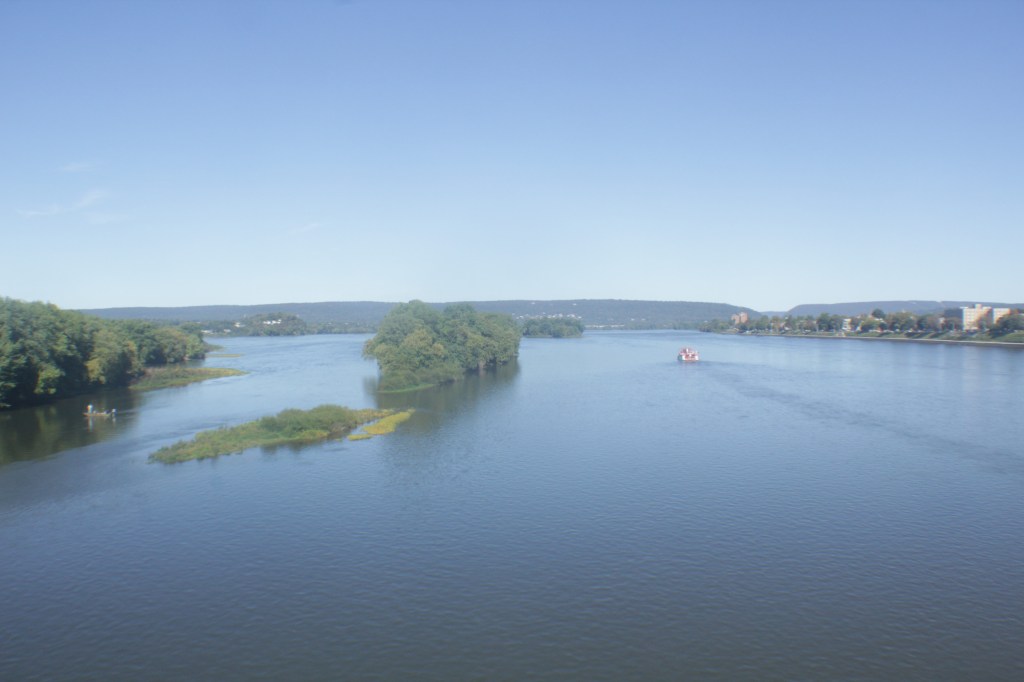
A national study last year named Interstate 4 in Florida as the deadliest highway in the nation with a death rate per mile of 1.250. The rate in Harrisburg along State Street, however, is 5.147. The Capitol’s centerpiece is a spectacular 272-foot, 52 million-pound dome inspired by Michelangelo’s design for St. Peter’s Basilica in Rome. “Commonwealth,” by sculptor Roland Hinton Perry, is a female figure representing Pennsylvania. Placed at the top of the Capitol dome on May 25, 1905, the gilded bronze statue stands 17 feet, 8 inches tall. The figure holds the mace of statehood in her left hand and extends her right hand in benediction. Susquehanna River Susquehanna River Susquehanna River Susquehanna River
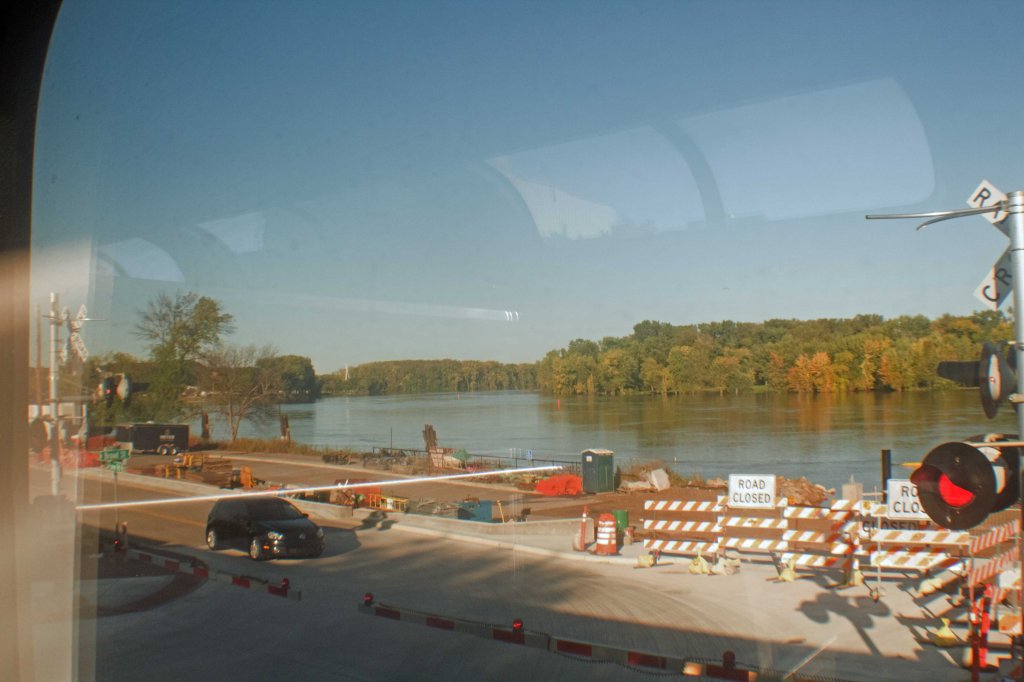
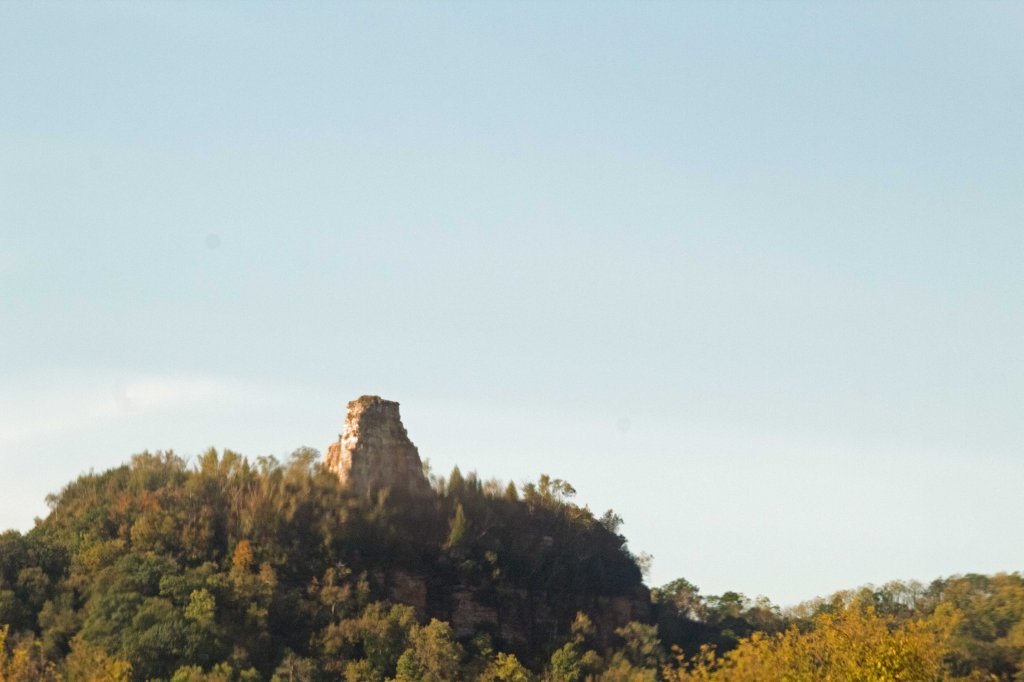
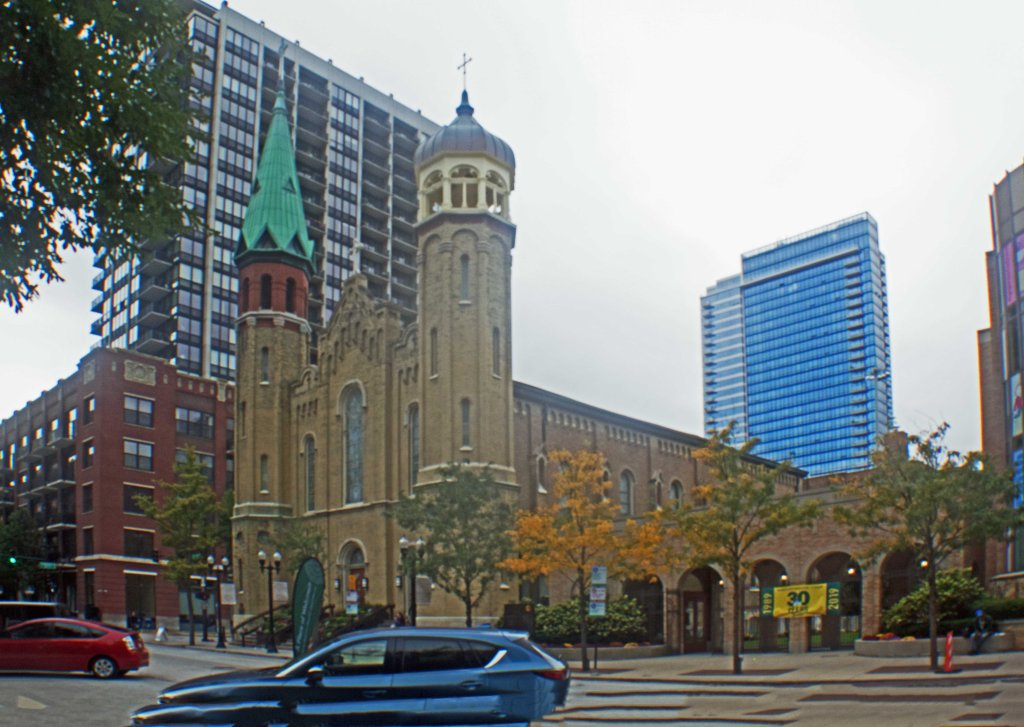
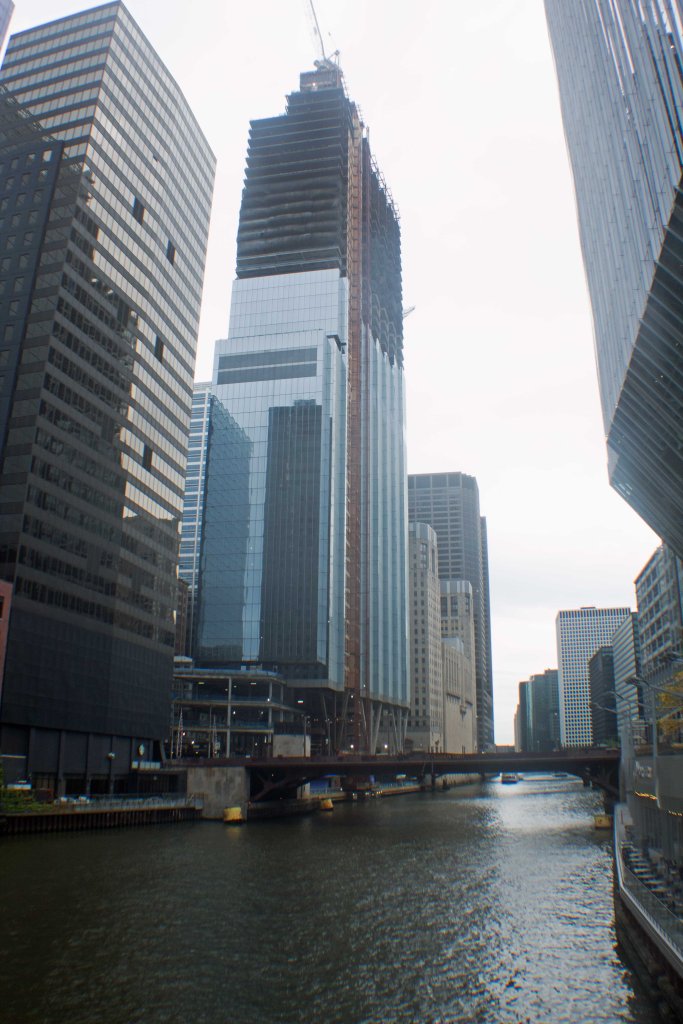
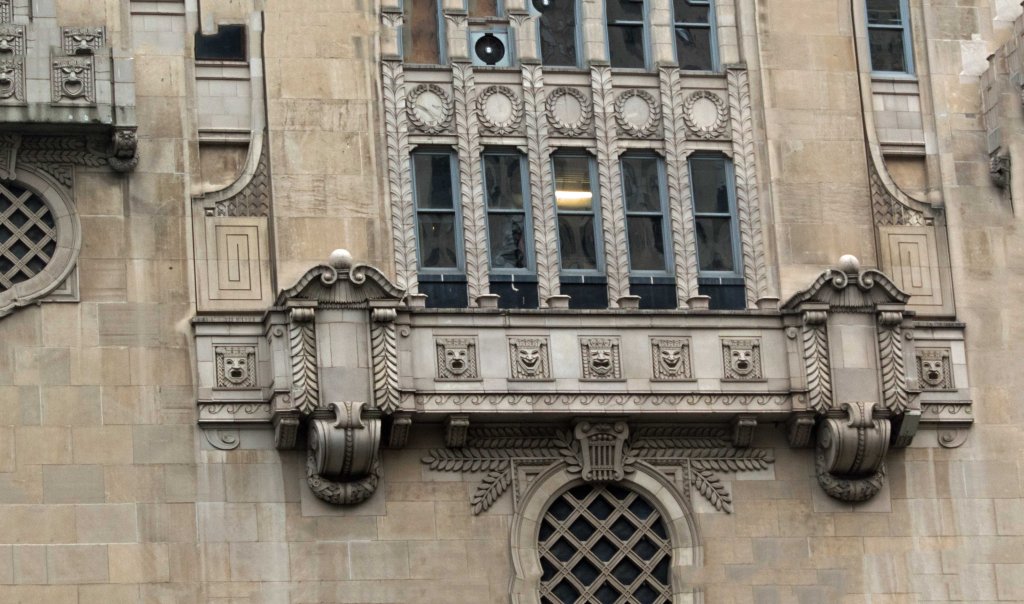
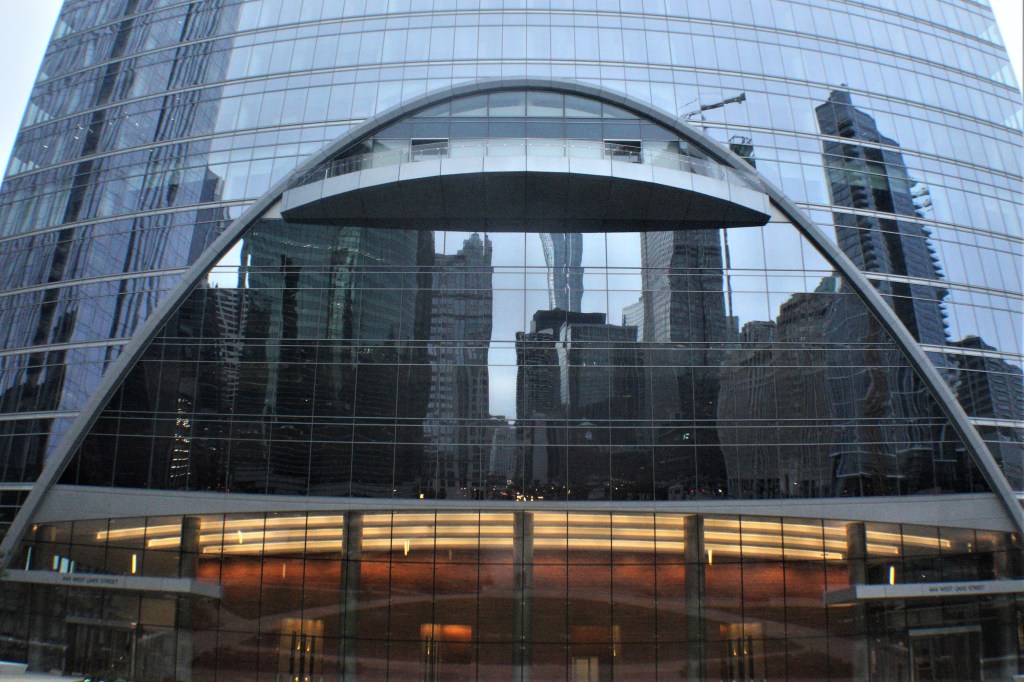
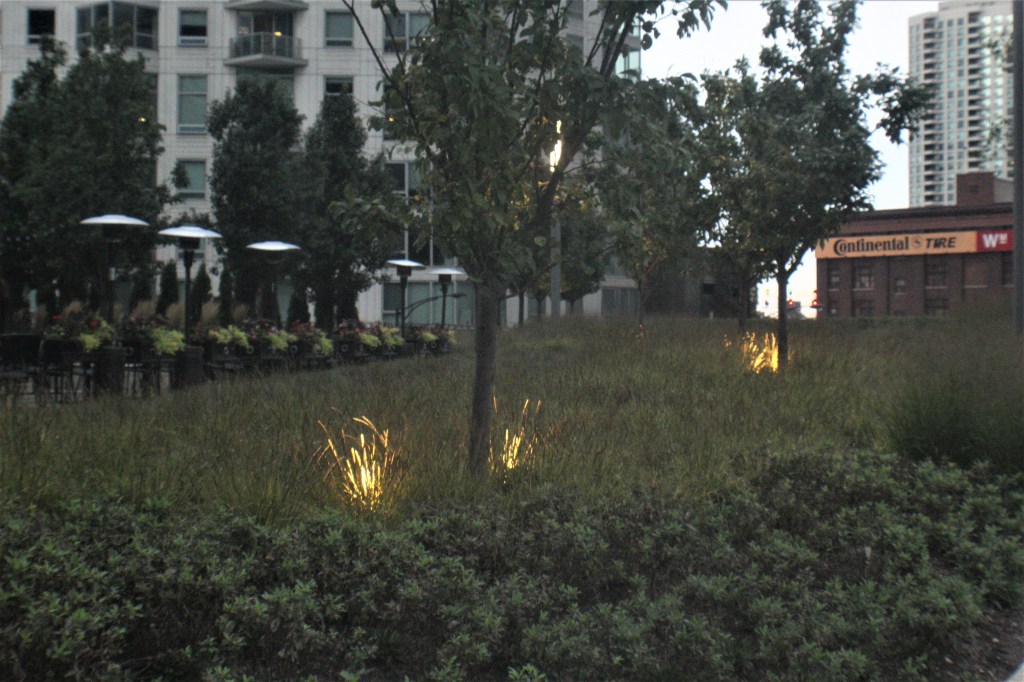
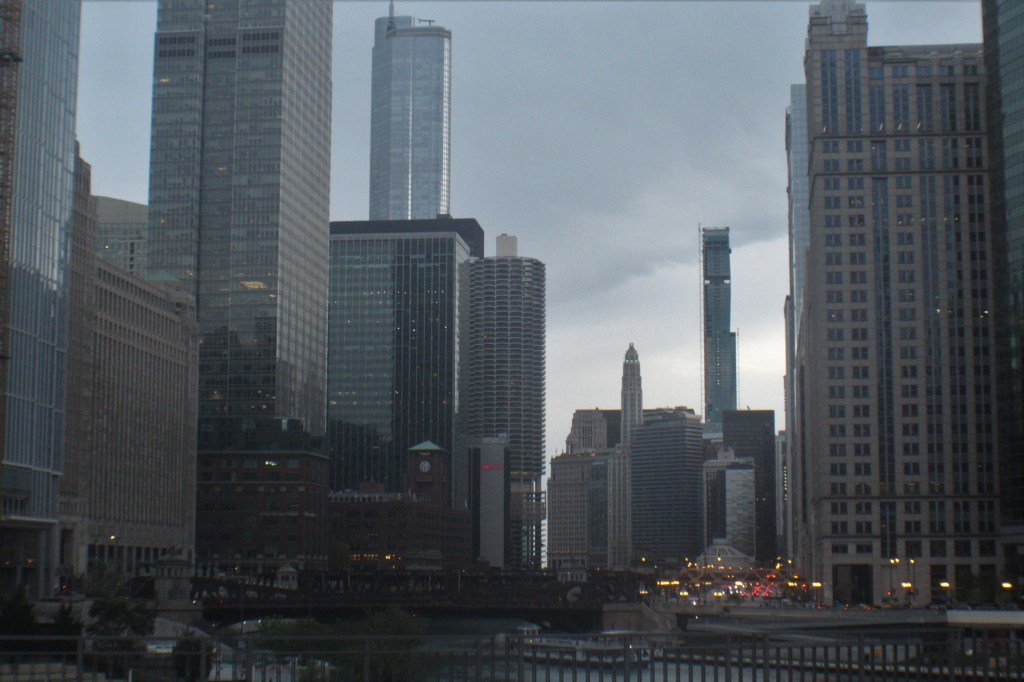
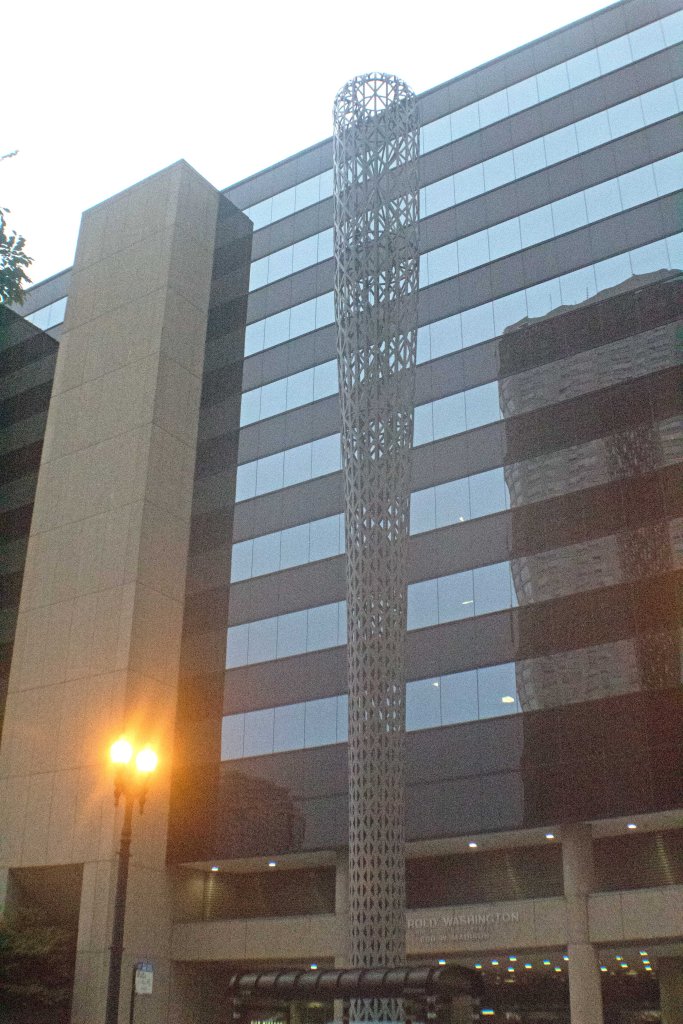
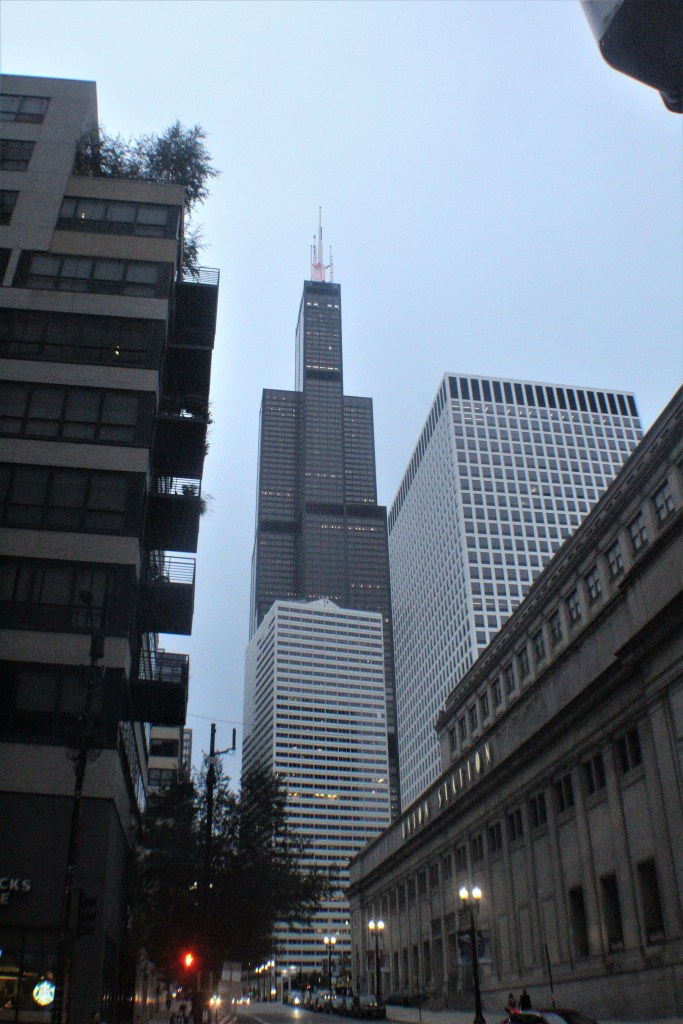
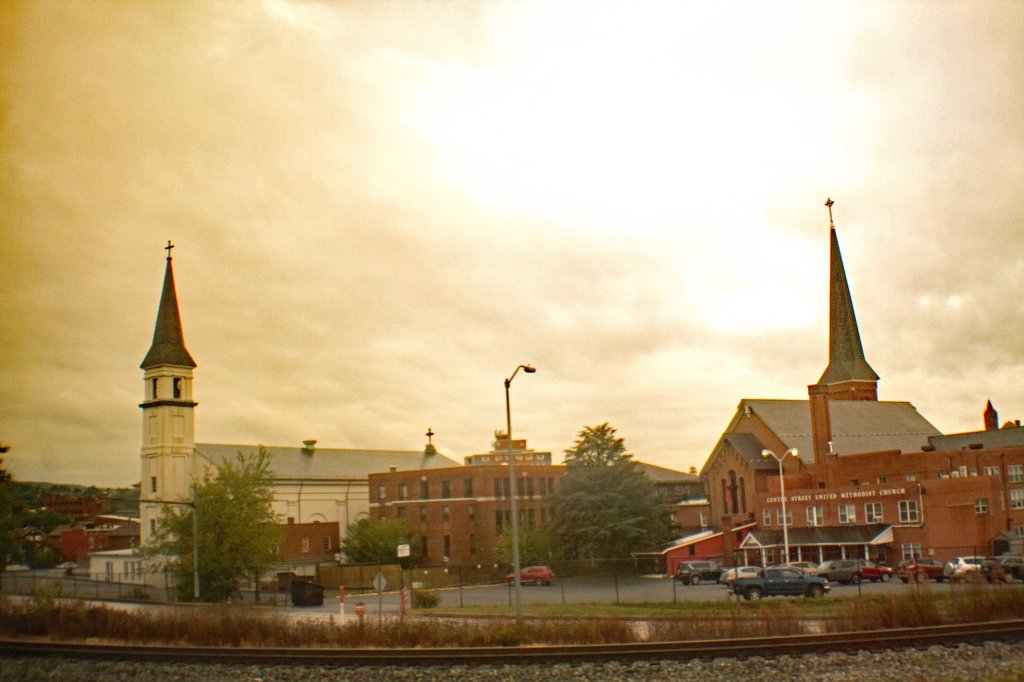
On the train – Red Wing,MNSugar Loaf, Winona, MNMississippi RiverOld St Patricks Church, Chicago ILChicago River, Chicago ILSerrano Pepper, on boardwalk along Chicago RiverCivic Opera House, Chicago, IL On boardwalk along Chicago RiverOn boardwalk along Chicago RiverAirplane reflectionReflectionReflectionChicago, ILChicago River, Chicago, ILHarold Washington Building, Chicago, ILSears Tower, Chicago,ILCumberland, MD



















 Musgrave Photos